
Discover Your Automation Potential
73%
Use manual spreadsheets
2.4×
Slower decision cycles
58%
Lack reporting confidence



















Understanding The Index
What The Index Looks At
The ERP Automation Potential Index estimates how much recurring finance and operational work is still being carried out manually or semi-manually and could therefore be reduced through selective automation. It looks only at observable, repeatable activities — such as reporting, reconciliation, data preparation, validation and post-process rework.
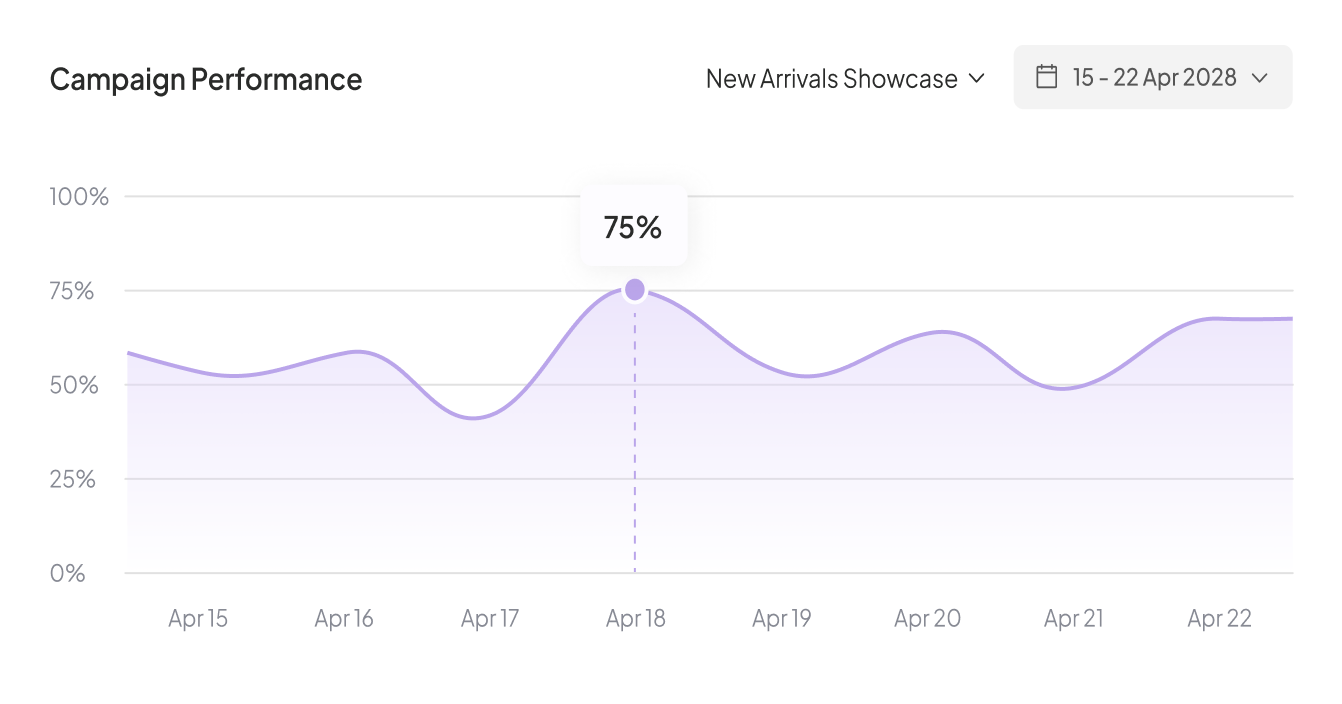

Budget Flow Visualisation
Most ERP platforms are implemented to deliver transactional stability and regulatory confidence. Once that baseline is achieved, improvement activity often slows as teams quite rightly prioritise continuity and risk management. The outcome is a persistent gap in automation that goes unnoticed.
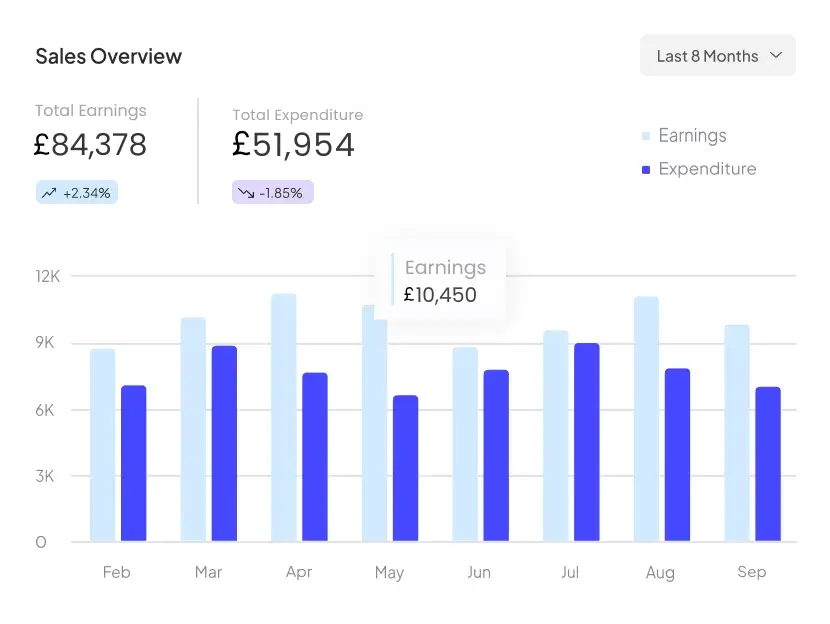
How The Index Is Calculated
The index uses the same inputs and conservative logic as the AI Opportunity Value Estimate. It considers three simple factors: how many people are involved in routine activity, how often that activity occurs and the extent to which it relies on manual intervention. A realism factor is applied to reflect realistic, partial automation rather than full automation.
Why The Cost Of Inaction Compounds
Capability gaps rarely remain static. As ERP platforms continue to embed automation and AI-assisted insight as standard capabilities, organisations that do not activate these features fall progressively further behind peers using the same technology. The longer manual effort remains embedded, the more it compounds.

Actionable Insights
What Your Index Score Tells You
Your index score indicates the relative proportion of routine effort that could be reduced if automation were applied pragmatically within the current platform. Lower scores reflect well-optimised environments. Mid-range scores suggest available capability is being used inconsistently. Higher scores highlight latent capacity that has yet to be addressed.
How Organisations Reduce Automation Potential Over Time
Organisations with lower automation potential do not rely on one-off initiatives or exceptional effort. They embed controls into workflows, automate routine reporting and rely on system-generated insight rather than post-process intervention. Automation is treated as an operating standard, reviewed and governed over time.
From Potential To Prioritisation
Organisations that successfully reduce automation potential do so incrementally. They agree which gaps matter most, assign ownership and sequence change over time. The next step is typically to review automation and reporting maturity together, ensuring that any effort reduction supports governance, assurance and decision-making needs.
Ready to Grow Your Business?
ISO 27001 & 9001 Certified
Response within 24 hours
50+ organisations served
"Intelisense helped us uncover over £200k in hidden ERP costs we didn't know existed. The report was eye-opening."
— Finance Director, Manufacturing Sector
Download The Full Report
Get the complete ERP Automation Potential Index with detailed methodology, benchmarks and implementation guidance.

Industries
Quick Links
Your Digital Transformation Partner.
© Copyright 2026 Intelisense IT – All Rights Reserved.